
The Thrill of Risk and Reward
High-stakes casino gambling is an activity that captivates many individuals, primarily due to the thrill of risk and the allure of potential rewards. The adrenaline rush that comes with placing significant bets can lead to a euphoric state, often compared to the excitement sports fans feel during a critical game. This psychological phenomenon can create a captivating experience, drawing players deeper into the gambling world. As you navigate this exciting terrain, you may discover the best online casinos that cater to your preferences and enhance your gaming adventures.
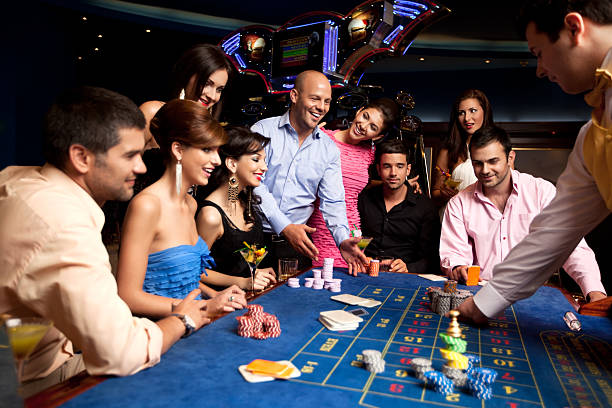
The excitement of potentially winning large sums can overshadow the realities of risk. Many gamblers find themselves caught in a cycle where the prospect of a jackpot becomes more enticing than the actual odds. This cognitive bias, known as the ‘gamblers fallacy,’ can lead individuals to believe they are more likely to win based on previous experiences, despite statistical evidence to the contrary.
Emotional and Social Factors
Emotion plays a significant role in high-stakes gambling behavior. Many players use gambling as an escape from daily stressors or emotional challenges. The casino environment, with its bright lights and sounds, offers a temporary respite from reality. This emotional engagement can lead to a desire for more frequent and larger bets as individuals chase that rush of excitement.
Moreover, the social aspect of gambling cannot be overlooked. High-stakes games often attract players who enjoy the camaraderie and competition. The presence of others can amplify emotions, leading to a heightened experience. Players may feel a sense of belonging and identity within this community, further driving their gambling habits.
The Illusion of Control
Many high-stakes gamblers believe they possess a certain level of control over their gaming outcomes, despite the inherent randomness of casino games. This illusion of control can lead individuals to engage in more reckless behavior, as they may think their decisions can influence results. Cognitive biases, such as overconfidence and selective memory, can reinforce this belief, creating a cycle of continued play.
This belief is often coupled with the concept of ‘near misses.’ When players experience situations where they come close to winning, they may interpret this as a sign that they are ‘due’ for a win, encouraging them to place more bets. This can create a dangerous cycle of gambling, as the emotional highs of these near misses may overshadow the stark realities of loss.
The Role of Addiction
The potential for addiction in high-stakes gambling is a significant concern. The brain’s reward system releases dopamine during gambling, creating feelings of pleasure and reinforcing the behavior. Over time, this can lead to compulsive gambling, where individuals chase losses and continue to gamble despite negative consequences. Understanding this addiction is crucial for both gamblers and those who support them.
Recognizing the signs of gambling addiction can be vital for early intervention. Behaviors such as borrowing money to gamble or neglecting responsibilities due to gambling can indicate that an individual may need help. Support systems, including counseling and support groups, can provide essential resources for individuals struggling with gambling addiction.

Discover More at Our Resource
For those looking to explore the world of online casinos, our website offers a comprehensive guide tailored specifically for players. We focus on critical aspects such as fast withdrawals, mobile compatibility, and diverse payment options, empowering players to make informed choices.
Our resource provides insights into the latest gaming regulations and practical tips to enhance your online gaming experience. Whether you’re a seasoned high-stakes gambler or a newcomer, we aim to equip you with the knowledge you need for a seamless journey in the exciting world of casino gaming.